Published
- 5 min read
The Ultimate Guide to Attracting Baltimore Orioles to Your Backyard
The Ultimate Guide to Attracting Baltimore Orioles to Your Backyard
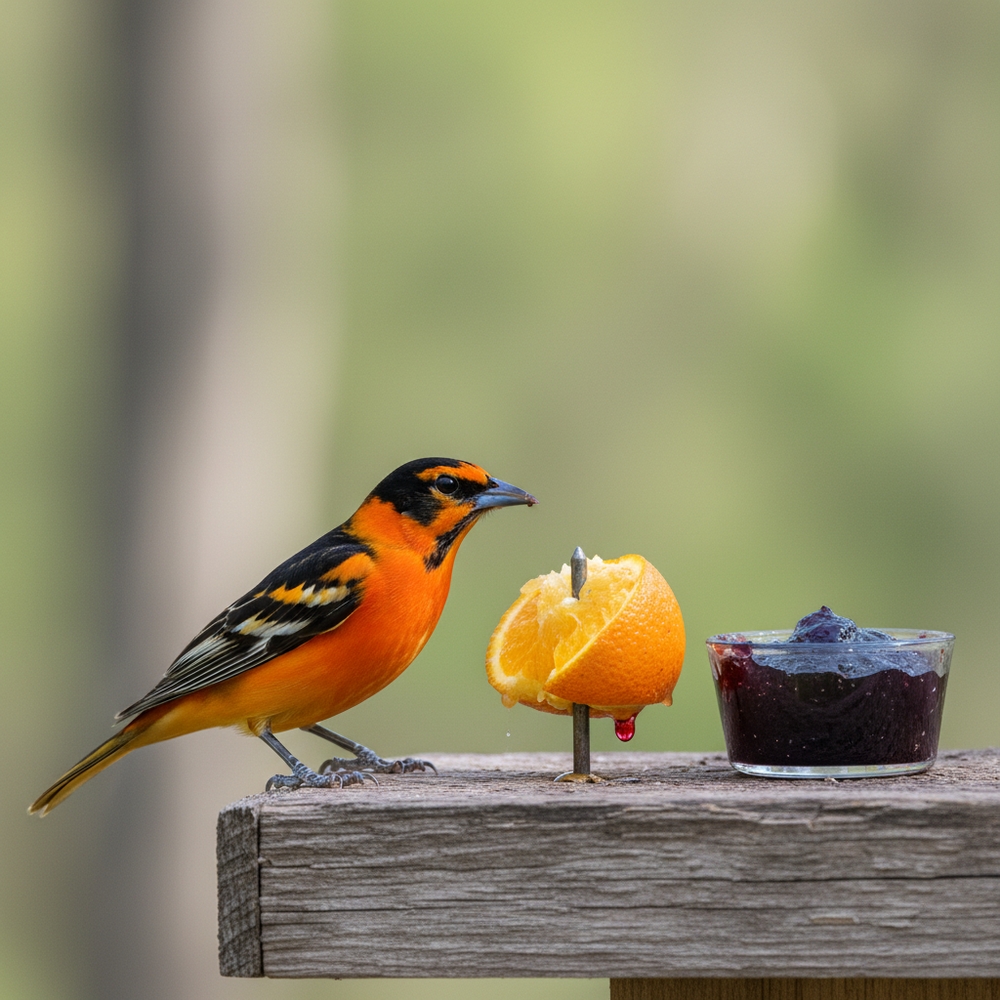
There is perhaps no backyard bird more stunning or sought-after than the male Baltimore Oriole. With his brilliant, flaming orange plumage and stark black contrasting wings, a single visit from an Oriole can turn a standard bird-watching afternoon into a thrilling event. However, unlike common finches or cardinals, Orioles will rarely visit a standard seed feeder. They have a very specific diet, a short migration window, and a cautious nature.
If you want to attract these “orange gems” to your yard, you have to cater exactly to their needs. As a backyard birding expert, I’ve spent years perfecting the art of the “Oriole Station.” It’s not just about what you feed them; it’s about when and how you present it.
In this ultimate guide, I will share the professional secrets to attracting Baltimore Orioles, covering the holy trinity of Oriole food (Jelly, Nectar, and Fruit), and the best feeders to buy on Amazon to ensure a successful spring arrival.
1. The Timing is Everything: Be Ready Before They Arrive
Orioles are migratory birds. They spend their winters in Central America and the Caribbean, migrating north to the United States and Canada in the spring to breed.
- The Golden Rule: You must have your feeders out before the first Oriole arrives. If an “early scout” flies through your yard and finds no food, they will continue flying north and likely won’t return until the fall migration.
- When to put feeders out: In the southern U.S., feeders should be out by early April. In the northern U.S. and Canada, aim for late April to the first week of May. Use a bird migration tracking website (like Journey North) to track their progress.
2. The Oriole Diet: The “Orange” Buffet
Orioles have a sweet tooth. After a long, exhausting migration flight, they are desperate for high-energy sugars.
A. Grape Jelly (The Ultimate Magnet)
If you only offer one thing, offer grape jelly. It is by far the most effective bait for an Oriole.
- The Quality Matters: Do not use cheap jelly loaded with high-fructose corn syrup or artificial dyes. Birds cannot process these chemicals well. Look for natural fruit preserves or specialized bird jelly.
- Affiliate Pick: Birdberry Jelly (No Corn Syrup)
- How to serve: Use a specialized jelly feeder with small glass or plastic cups. Do not put out a massive bowl, as the jelly will spoil in the sun or attract a swarm of bees.
B. Orange Halves (The Visual Cue)
Orioles are highly attracted to the color orange. Slicing a fresh orange in half and impaling it on a feeder acts like a neon “Diner Open” sign in your backyard.
- How to serve: Use a fruit spike feeder. Score the flesh of the orange with a knife slightly so the birds can easily access the juice.
C. Oriole Nectar (The Liquid Energy)
Orioles drink nectar just like hummingbirds, but they need a different feeder.
- The Feeder: A hummingbird feeder’s ports are usually too small for an Oriole’s beak. You must buy a specific Oriole nectar feeder, which features larger feeding ports and sturdy perches.
- The Recipe: You can make your own nectar (1 part white sugar to 4 parts boiling water, cooled), or buy a high-quality mix. Never use red or orange dye. The color of the feeder is enough to attract them.
- Affiliate Pick: First Nature 32-ounce Oriole Feeder
3. The Perfect Feeder Setup
Orioles are notoriously skittish. If your feeder is swinging wildly in the wind or located too close to a busy patio, they won’t land.
- Location: Hang your feeder in a quiet, open area of the yard, ideally near a large tree. Orioles like to “survey” the feeder from the safety of the high canopy before swooping down to eat.
- The All-In-One Solution: The most successful backyard birders use an “Oriole Station” that offers all three foods simultaneously.
- Affiliate Pick: Kettle Moraine Fruit & Jelly Cedar Feeder. This feeder features spikes for oranges and glass cups for jelly, built into a sturdy cedar frame.
4. The Summer Shift: From Sugar to Protein
This is a crucial expert tip that many beginners miss. By mid-summer, you might notice the Orioles suddenly stop visiting your jelly feeders. Don’t panic! They haven’t left.
Once Orioles have built their nests and hatched their chicks, their dietary needs shift drastically. Baby birds cannot grow on sugar; they need protein. The adult Orioles will switch from eating jelly to hunting insects (caterpillars, beetles, and spiders) to feed their young.
- The Strategy: During the peak summer nesting season, offer mealworms or suet alongside a small amount of jelly.
- Affiliate Pick: C&S Orange Suet Dough
Conclusion
Attracting Baltimore Orioles requires preparation and the right menu. By getting your feeders out early, offering high-quality grape jelly and fresh oranges, and providing a quiet, safe feeding station, you drastically increase your chances of hosting these magnificent birds. Invest in a dedicated Oriole feeder from Amazon today, and get ready for a brilliant flash of orange in your backyard this spring!